

Going to CHS? Don't Bring Your Admin Problems With You
Print PDF eBook Heading to CHS Manchester? Whether you're attending to discover new suppliers or exhibiting to meet potential clients, the value of the…
Read article →
Unlike previous generations who adapted to technology, Gen Alpha has never known a world without AI, smartphones, and instant connectivity. This fundamental difference will reshape workplace communication in ways we're only beginning to understand.
The stakes are high. 67% of companies already face conflicts between different generations, and Generation Alpha's arrival will intensify these challenges unless businesses act now.
Virtual assistants are emerging as the unexpected solution. Their unique position as technology-native yet human-centered support systems makes them perfect for translating between generational communication styles and creating harmony in diverse workplaces.
Generation Alpha includes everyone born between 2010 and 2025, making them the first generation born entirely in the 21st century. The oldest are currently 15 and will begin entering the workforce around 2028.
Key Facts:
What sets them apart? They don't see AI as a tool—they see it as a natural communication partner. While older generations learned to use technology, Gen Alpha grew up with it as an extension of themselves.
Today's workplace already struggles with generational diversity. The statistics are sobering:
These problems will only intensify as Generation Alpha brings their unique communication expectations to traditional workplace environments.
Generation Alpha processes information primarily through visual and multimedia formats. They've grown up with TikTok, Instagram Stories, and interactive gaming, making traditional email feel antiquated.
Unlike previous generations, Gen Alpha expects AI to be seamlessly woven into all communication. They're comfortable with:
Generation Alpha doesn't see online and offline as separate—they expect seamless integration between digital and physical communication. They naturally engage across multiple platforms simultaneously while maintaining conversation continuity.
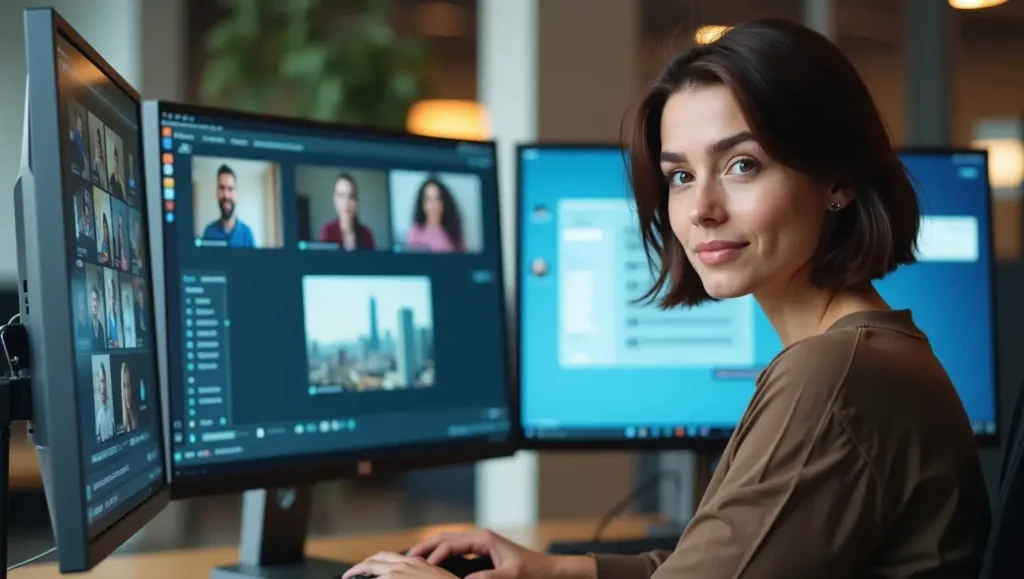
Virtual assistants serve as neutral intermediaries who adapt communication styles without bias. They can:
The key advantage: VAs maintain the intent and emotional context while adapting format and delivery to match recipient preferences.
One of the biggest workplace challenges is technology adoption disparity. Gen Alpha expects advanced AI integration while older generations may still be adapting to basic digital tools.
Virtual assistants provide:
VAs excel at creating individualised communication approaches for each team member based on their generational preferences and role requirements.
This includes:
Week 1-2: Assessment Conduct a generational communication audit using VA support to survey team members about preferences, technology comfort levels, and collaboration challenges.
Week 3-4: System Design Create a VA-mediated communication framework that accommodates all generational preferences while maintaining efficiency.
Week 5-8: Pilot Testing Start with small, diverse teams to test VA-mediated communication approaches and gather feedback.
VAs need specialised training in:
Track improvements in:
Organisations implementing VA-supported communication see:
Companies that master multi-generational communication will have significant advantages in:
Generation Alpha will reshape workplace expectations. Organizations that prepare now will thrive, while those that wait risk being left behind as communication norms evolve rapidly.
Immediate Actions (Next 3 Months)
Medium-Term Planning (6-12 Months)
Long-Term Strategy (1-3 Years)

Generation Alpha's entry into the workforce represents both an unprecedented challenge and an extraordinary opportunity. Their AI-integrated, visual-first communication style will require fundamental changes in how organisations manage teams.
Virtual assistants provide the perfect bridge. Their technology-native capabilities combined with human-centered communication skills position them ideally to translate between generational styles and create harmonious workplaces.
The organizations that act now will gain significant competitive advantages in talent acquisition, employee retention, and innovation. Those that wait risk being left behind as Generation Alpha reshapes workplace communication forever.
The future belongs to companies that successfully integrate all generations into cohesive, collaborative teams. Virtual assistants offer the pathway to that multi-generational success.

Print PDF eBook Heading to CHS Manchester? Whether you're attending to discover new suppliers or exhibiting to meet potential clients, the value of the…
Read article →Print PDF eBook Surveying is rarely a desk-based profession. Whether you are carrying out a building inspection, valuing a property, measuring land, advising on…
Read article →Print PDF eBook For a busy dental practice, a missed call can seem insignificant. The receptionist may be helping a patient, taking a payment…
Read article →